
Loading...
Serving North Little Rock, AR and surrounding areas. (501) 737-2421
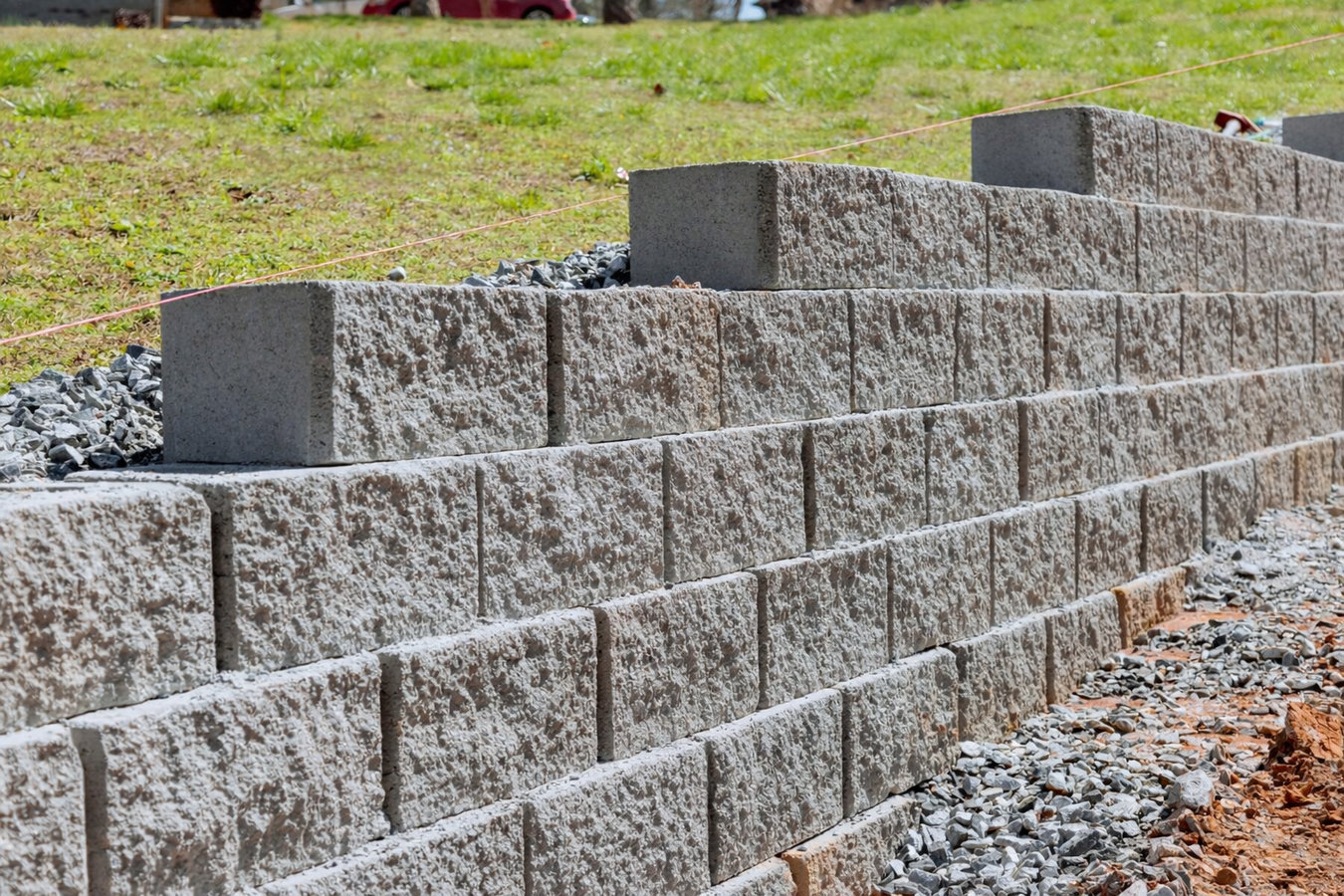
Soil washing downhill, a slope too steep to use, or an old wall starting to lean? We build concrete retaining walls in North Little Rock designed for Arkansas clay soil - with proper drainage, permitted work, and footings that hold through years of wet springs and dry summers.
Concrete retaining walls in North Little Rock hold back soil on slopes and hillsides so it does not wash away or push against your home, driveway, or yard - most residential walls take two to five days to build from footing to backfill.
Most homeowners in North Little Rock call about a retaining wall after heavy spring rains wash soil down a slope, an older wall starts to lean, or they want to turn a steep, unusable section of their yard into flat, livable space. Poured concrete and concrete block are both strong, moisture-resistant options that outlast wood or untreated stone by decades. If your project also involves a lower level of your home, you may want to look at our concrete floor installation service while we are on site.
Walls that need to carry serious load or anchor structures may also benefit from solid concrete footings as part of the overall scope. We can assess both in a single site visit.
If you notice bare patches on a hillside after heavy rain, or mulch and topsoil collecting at the base of a slope, your soil is eroding. North Little Rock intense rain events accelerate this quickly, and what starts as a cosmetic issue can reach your foundation if the slope is nearby. A retaining wall stops the movement permanently.
If part of your yard is too steep to mow safely, too uneven for outdoor living, or just wasted space, a retaining wall can convert that slope into flat, usable terraces. This is one of the most common reasons homeowners in North Little Rock hilly neighborhoods invest in a wall.
If an older wall - whether concrete block, railroad ties, or stacked stone - is starting to lean forward, crack along the face, or pull away from the soil behind it, it has reached the end of its life. In North Little Rock clay soil, walls are especially prone to this because the soil shifts so much with moisture changes.
Standing water collecting against your home after rain is a sign the grading around your property is not directing water away properly. In North Little Rock, where heavy rain events are common, this water can eventually work its way into a basement or crawl space. A retaining wall combined with proper grading can redirect that water before it becomes a bigger problem.
We build both poured concrete walls and concrete block walls, depending on the height, load requirements, and look you are after. Every wall starts with a footing trench, a poured base that is anchored below the soil movement zone, and drainage aggregate plus perforated pipe behind the wall face so water never builds up and pushes the wall forward. That drainage step is the one most homeowners do not see and the one that determines whether your wall lasts 10 years or 50.
For homeowners doing broader outdoor projects, we often pair retaining wall work with concrete floor installation on a lower-level space or with concrete footings for structures being built on or near the slope. Coordinating both scopes in one visit saves time and keeps costs down.
Best for taller walls, heavy soil loads, or situations where strength and longevity are the top priority.
Well suited for moderate heights and projects where a cleaner, more uniform appearance is important.
Ideal for steep slopes that need multiple tiers to create usable flat areas at different elevations.
Much of North Little Rock sits on clay-heavy soil that swells when it absorbs water and shrinks when it dries out. That constant movement puts extra stress on retaining walls compared to sandier parts of the country, which is why footings need to go deeper and drainage behind the wall needs to be more thorough here. The city also averages around 50 inches of rain per year, with intense storms that can dump several inches in a matter of hours. A wall built without proper drainage in this climate will fail - it is not a matter of if, but when. We also understand the permit process through the North Little Rock Building Department, which requires permits for walls above a certain height. We handle that paperwork as part of every job.
Many of North Little Rock older hillside neighborhoods - particularly on the north and east sides of the city - have sloped lots that were developed decades ago without modern grading or drainage infrastructure. Homeowners in areas like these often discover erosion problems only after several seasons of heavy rain. We work throughout the area and regularly serve customers in nearby communities including Maumelle and Little Rock, where similar terrain and soil conditions apply.
We respond within 1 business day. Every retaining wall job is site-specific, so we will schedule a free on-site visit - no quote can be accurate without seeing the slope and soil conditions in person.
We assess the slope, soil type, water flow patterns, and any structures nearby. You receive a written, itemized estimate covering footing, drainage, materials, labor, and permit fees.
We pull the city permit, then dig the footing trench and pour the base. The footing must cure before the wall goes up - this usually takes at least 24 to 48 hours.
The wall is built and drainage gravel plus pipe are installed behind it simultaneously. After the concrete cures - at least a week before backfilling - soil is compacted in layers and the site is cleaned up.
We respond within 1 business day. There is no obligation - just a free on-site visit to look at your slope and soil, followed by a written estimate you can compare. After you submit, someone from our office will call to schedule a time that works for you.
(501) 737-2421North Little Rock averages around 50 inches of precipitation per year, well above the national average. Every wall we build includes gravel backfill and perforated drain pipe sized for what this area actually gets, not what a textbook suggests. Proper drainage is what separates a wall that lasts decades from one that leans in five years.
The expansive clay throughout Pulaski County swells and shrinks with every wet and dry cycle. We design footings to go below the movement zone and specify concrete mixes that handle the stress. Contractors who do not account for local soil conditions are setting their walls up to fail, and we have rebuilt enough of those walls to know what to avoid.
We pull every required permit through the City of North Little Rock Building Department before a shovel hits the ground. That inspection record protects you legally and documents the work correctly - which matters when you sell your home. The{' '}Arkansas Contractors Licensing Board verifies our license status is current and our insurance is in place.
A retaining wall quote done by phone or from a photo is almost always inaccurate. We visit your site, assess the slope and drainage, and give you a written breakdown of every cost before you decide anything. No ballpark numbers, no surprise add-ons after work starts.
Every one of these points connects to a wall that still looks and functions exactly as designed years from now. We build to the standards published by the American Concrete Institute and account for the specific conditions North Little Rock presents, from its clay soil to its rainfall patterns.
Replace or install a concrete floor in a basement or ground-level space - often paired with retaining wall work on sloped lots.
Learn morePoured concrete footings for structures, fences, or additions built on or near sloped terrain that needs wall support.
Learn moreNorth Little Rock spring storms do not wait - contact us today and we will visit your site, assess the slope and soil, and give you a written quote with no pressure and no obligation.