Loading...
Serving North Little Rock, AR and surrounding areas. (501) 737-2421
Master Little Rock Concrete is a licensed concrete contractor serving Jacksonville, AR, with a focus on slab foundation building, driveway construction, and concrete flatwork for Pulaski County homeowners. We have served the Jacksonville area since 2024 and pull permits through the City of Jacksonville on every job that requires one.
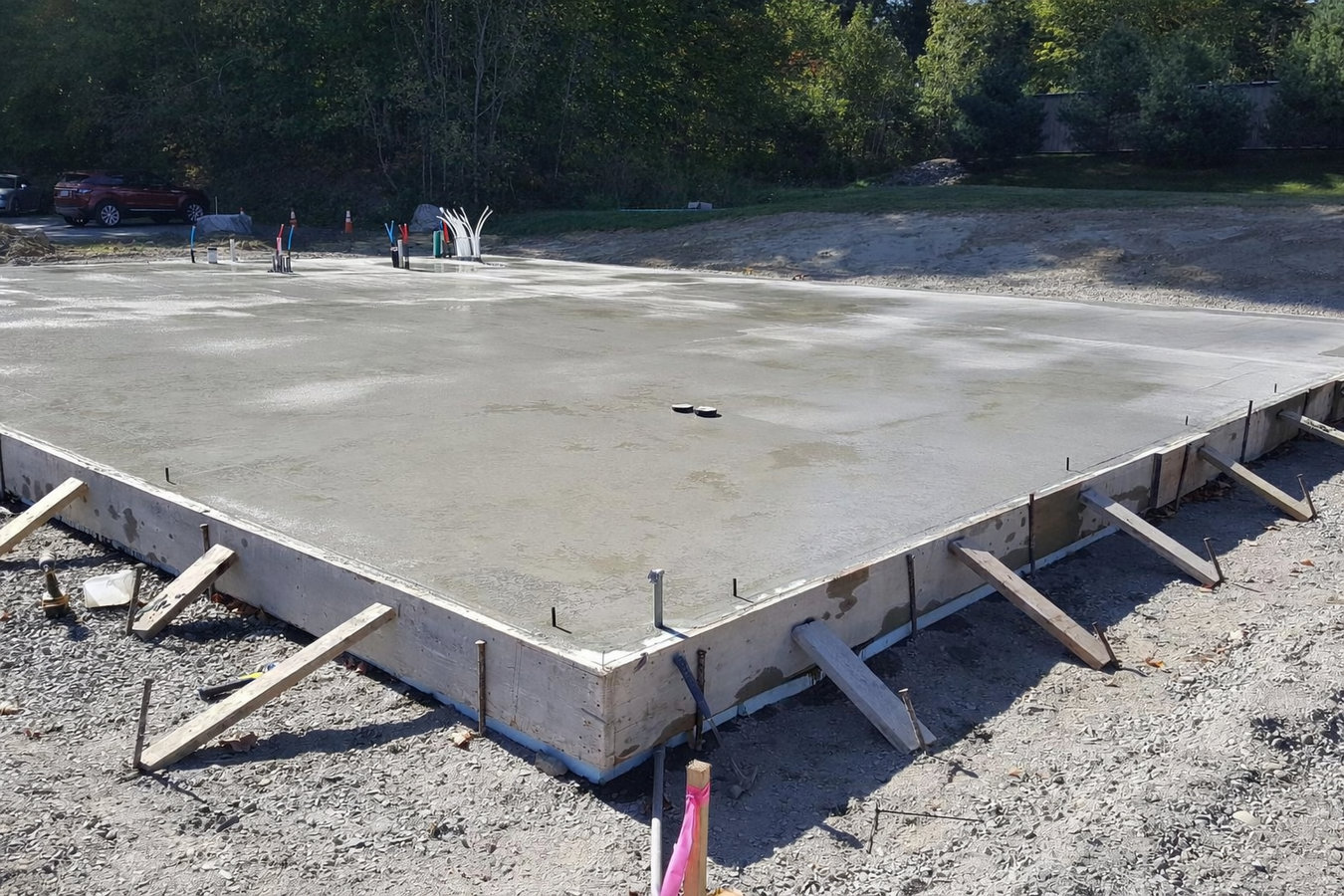
Jacksonville's housing stock is heavily weighted toward postwar and 1960s-through-1980s construction - ranch-style homes built on slabs or crawl spaces when preparation standards were less rigorous than today. Pulaski County clay soil has been moving under those slabs for 40 to 70 years. When a foundation has settled or cracked beyond what repair can address, we pour a replacement with full city permits, proper steel reinforcement, and a base built to withstand the wet-dry cycles this area delivers every year. See our full slab foundation building service.
Jacksonville driveways on older properties have been dealing with clay soil movement for decades, and many have cracked or shifted significantly as a result. Rental properties near Little Rock Air Force Base often have driveways that have been patched repeatedly rather than replaced. When a slab is past patching, we remove it, prep the base to account for local soil behavior, and pour a new surface that is built to last rather than to get through another season.
Jacksonville summers run long and hot, and a functional outdoor space makes those months more livable. Concrete is the right choice for this climate - it does not rot, splinter, or require annual treatment the way wood does in Arkansas humidity. We grade properly so water runs away from the foundation, a detail that matters in a city where spring flooding and poor drainage are real issues in low-lying neighborhoods.
Many Jacksonville neighborhoods built in the 1950s through the 1970s have sidewalks that have lifted, cracked, or separated at the joints as clay soil has shifted beneath them. Uneven sidewalks create a tripping hazard and a liability for homeowners. We replace damaged sections with new flatwork that is properly compacted and formed so the same soil conditions do not produce the same result within a few years.
Jacksonville homes from the postwar era that have experienced uneven settling sometimes need foundation raising rather than full replacement - particularly when the settlement is localized to one section of the slab. Doors that stick, floors that slope, and gaps between the wall base and the floor surface are the signs to watch for. We assess the extent of the movement and recommend the right scope of work, not the most expensive option.
Additions, detached garages, and accessory structures on Jacksonville properties all need properly poured footings before any framing begins. The thickened concrete edge sections that carry wall loads must be sized and reinforced to account for the clay soil that shifts underneath. We pour footings with the steel and depth that local soil conditions require - not a standard spec that ignores what is actually under the ground.
Jacksonville's housing stock tells a specific story. The city grew up alongside Little Rock Air Force Base, and a large share of its homes were built between the 1950s and the 1980s to house the families of military personnel and civilian workers who moved here during that period. Ranch-style construction, slab and crawl space foundations, and practical layouts built for function rather than show - that describes the majority of Jacksonville homes. Those properties are now between 40 and 75 years old, and the concrete work underneath and around them has been dealing with Pulaski County clay soil the entire time. Clay soil does not behave like the sandy or rocky ground that makes concrete work straightforward. It holds water, expands, contracts, and applies steady pressure to slab edges and driveway joints through every wet-dry cycle. A home built to 1960s standards on soil like this will show the results over time if the original base preparation was not adequate.
The other factor is the rental stock near the base. Military families on short-term assignments often rent rather than buy, which means some Jacksonville properties have higher tenant turnover and may have deferred maintenance on driveways, sidewalks, and concrete steps that owner-occupied homes would have addressed sooner. Deferred concrete maintenance is not just an aesthetic issue - cracked driveways and uneven sidewalks are liabilities, and a slab that has been through multiple seasons of freeze-thaw damage without sealing is harder and more expensive to restore than one that was maintained. Spring flooding in low-lying neighborhoods adds another reason to get drainage right when pouring any flatwork or foundation in this city.
We pull permits directly through the City of Jacksonville on every project that requires one. Jacksonville has its own municipal permitting and inspection process separate from Pulaski County unincorporated areas, and we are familiar with how that system works - including the pre-pour inspection requirement for foundation work that is one of the most important checkpoints on any slab job.
Jacksonville sits about 15 miles northeast of downtown Little Rock, and the city has a character shaped strongly by its relationship with Little Rock Air Force Base - the largest C-130 training base in the world, according to local records. Neighborhoods near the base gates tend to have higher rental rates and older housing from the postwar era. Dupree Park serves as the city's main community hub for families across Jacksonville, and the surrounding residential areas represent a broad cross-section of the housing stock - some very well maintained, some with deferred concrete work that needs to be addressed. We work across all parts of Jacksonville and are used to the variety of property conditions the city presents.
We serve Jacksonville's neighbors on a regular basis too. If you are in Cabot to the northeast or in Sherwood to the south, we cover those areas as well.
We respond within one business day and schedule a free on-site estimate. Foundation and slab projects require an in-person look at the lot - soil conditions, drainage, site access, and existing utility locations all affect the scope and cost. You do not need drawings; we assess the site and produce a written estimate that breaks down every line item.
Once you approve the estimate, we apply for the City of Jacksonville building permit. We handle all of that - you will receive the permit number so you can verify it independently if you want to. The permit process adds a few days to the start, and it triggers the inspection schedule that protects you at each stage. We set a start date and communicate any scheduling factors upfront.
The crew excavates, grades, and compacts the base - adding a gravel drainage layer suited to Pulaski County clay soil. Steel reinforcement goes in next, and a city inspector verifies the steel placement before any concrete is poured. That inspection is built into the schedule. Once it passes, the pour happens - usually in a single day for a residential slab.
The slab cures under protection for seven to twenty-eight days. We keep you informed throughout. Once cured, we do a final walkthrough and confirm the slab is ready for the next phase of your project. All permits and inspection records are closed out so the work is fully documented - no open permits left behind that could surface during a future sale or refinance.
We serve Jacksonville and surrounding Pulaski County communities. Free on-site estimates, written itemized quotes, and permits handled for every applicable project in Jacksonville.
(501) 737-2421Jacksonville is a city of roughly 28,000 to 30,000 people in Pulaski County, located about 15 miles northeast of downtown Little Rock. The city grew significantly in the postwar era alongside the development of Little Rock Air Force Base, which remains the city's largest employer and shapes the daily rhythm of the community. Because of the base, Jacksonville has always had a mix of long-term civilian residents and military families rotating in on assignments of two to four years. That mix creates a housing market with both well-maintained owner-occupied homes and a notable share of rental properties - particularly in neighborhoods close to the base gates - where maintenance cycles tend to be longer. The Jacksonville Museum of Military History reflects that identity, honoring the connection between the city and decades of military service.
The dominant housing style in Jacksonville is the single-story ranch - practical, modest, and built during a period when concrete slab foundations and brick veneer fronts were the standard in central Arkansas. Many of those homes are now 40 to 70 years old and sitting on soil that has been shifting under them the whole time. Dupree Park, the city's main public recreation anchor with sports fields, walking trails, and community facilities, serves the families spread across Jacksonville's residential neighborhoods. We serve Jacksonville's nearby communities too, including Cabot to the northeast and North Little Rock to the southwest.
Durable concrete driveways built to last through Arkansas weather.
Learn moreCustom concrete patios designed for outdoor comfort and curb appeal.
Learn moreSafe, code-compliant sidewalks for residential and commercial properties.
Learn moreEngineered retaining walls that hold back soil and prevent erosion.
Learn morePrecision concrete floor pours for homes, shops, and warehouses.
Learn moreHeavy-duty concrete parking lots for commercial and industrial sites.
Learn moreServing these cities and communities.
Call us or submit a contact form and we will be back to you within one business day. Free on-site estimates for all Jacksonville jobs.