Loading...
Serving North Little Rock, AR and surrounding areas. (501) 737-2421
Master Little Rock Concrete is a licensed concrete contractor serving North Little Rock, AR, specializing in concrete driveway building, patio construction, and foundation installation. We have served Pulaski County homeowners since 2024 and pull permits directly through the City of North Little Rock on every job.
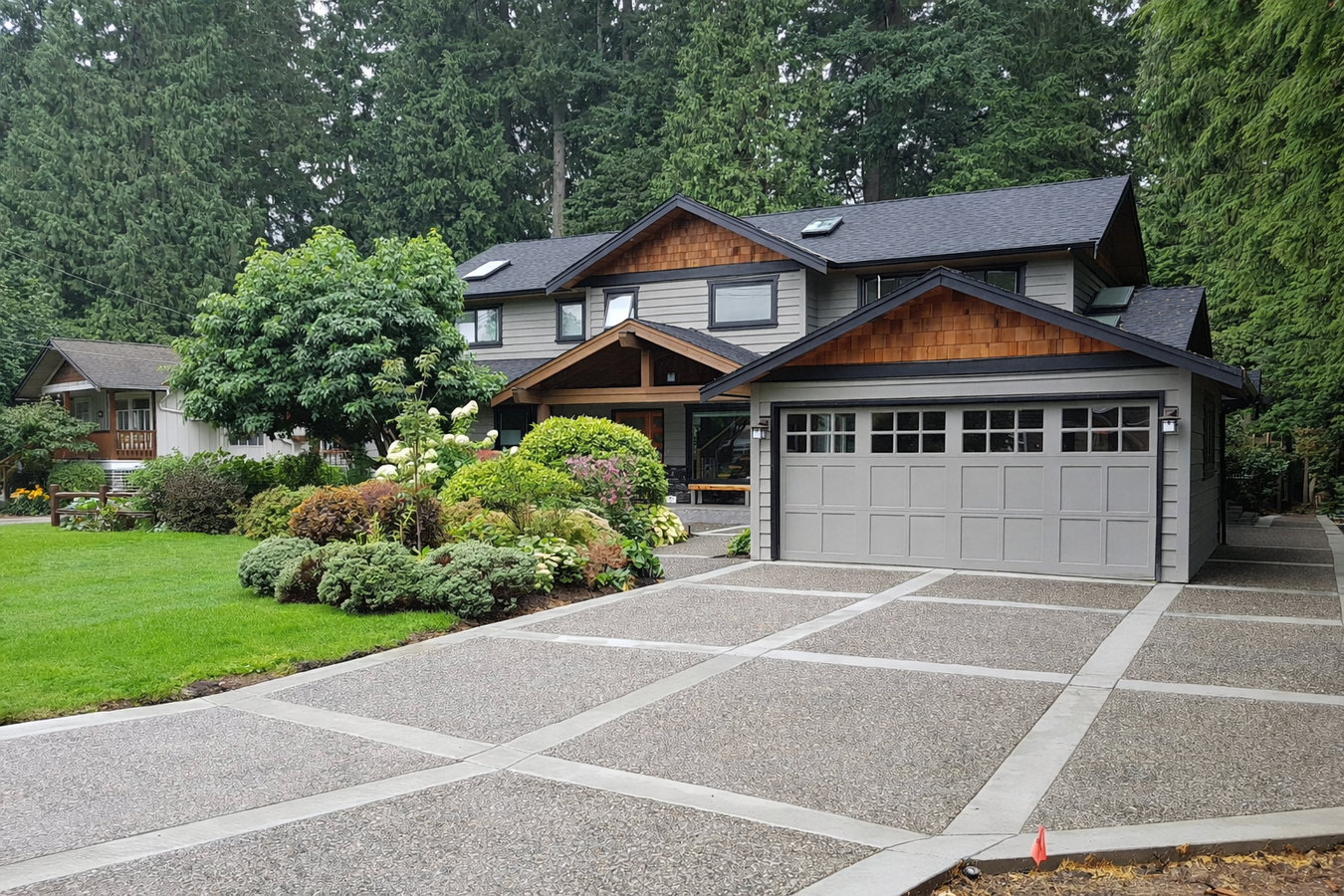
North Little Rock driveways take a beating from Pulaski County clay soil that swells in spring and contracts through summer. We prepare the base properly, pour the right thickness, and handle the City of North Little Rock permit so your driveway holds up for decades, not just a few seasons. Learn more about our concrete driveway building service.
NLR summers are long and outdoor living matters. We build patios thick enough to handle the clay soil movement underneath and finish them with a slight slope away from your house so spring rains drain off instead of pooling at your back door.
Many North Little Rock neighborhoods were built in the 1950s and 1960s, and some of those original slab foundations are reaching the end of their life. We replace aging slabs and pour new ones for additions, with full city permits and a pre-pour inspection at every project.
Yards in North Little Rock near the Arkansas River floodplain and in neighborhoods like Indian Hills often deal with slope erosion after heavy spring rains. A poured concrete retaining wall holds the soil in place and keeps rainwater from washing out landscaping or threatening your foundation.
Older NLR neighborhoods have sidewalks that have shifted, cracked, and become tripping hazards as the clay soil beneath them moved over the decades. We replace and build new concrete sidewalks that meet city code and stay level longer because the base preparation is done right the first time.
Brick ranch homes in Park Hill and Lakewood often have original front stoops that have pulled away from the house or cracked unevenly as the ground settled. We pour new concrete steps that anchor properly to the existing structure and hold up through North Little Rock freeze-thaw cycles.
The heavy clay soil throughout Pulaski County is the single biggest factor shaping concrete work in North Little Rock. That soil swells every wet spring and shrinks back every dry summer, and it has been doing that to every driveway, patio, and slab in the city for decades. A contractor who treats North Little Rock like any other pour - skipping proper base compaction, using the wrong slab thickness, or ignoring drainage - is setting you up for cracking and heaving within a few years. Homeowners in neighborhoods like Lakewood, Rose City, and Indian Hills already know what it looks like when the ground fights back against a driveway that was not built for it.
The climate adds another layer. North Little Rock summers regularly push past 95 degrees, and fresh concrete poured in afternoon heat can develop surface cracks before it fully hardens underneath. Winter is milder here than in northern states, but the back-and-forth between freezing and thawing several times a season works moisture into small cracks and makes them bigger. Older homes in Argenta and along the river corridor also sit on ground that has been saturated, dried, and resaturated for 80 or more years - and that history shows up in driveways, sidewalks, and foundations that need replacing, not just patching.
Master Little Rock Concrete is based right here in North Little Rock - our address is 300 N Main St - and we pull building permits directly through the City of North Little Rock Planning and Development department on every permitted job. That means we know the inspection schedule, the plan review process, and what the city expects to see before concrete is poured - and your project does not get delayed because we are learning that process on the fly.
North Little Rock is the kind of city where the neighborhoods feel different from one another. The older brick ranch homes in Park Hill and Lakewood sit on ground that has been through decades of clay soil movement. The houses near the Argenta Arts District have historical character and tighter lot configurations. The ranch homes tucked between JFK Boulevard and Burns Park - one of the largest city parks in the US - tend to have mature trees close to their driveways and walkways, which means root assessment is part of the conversation before any pour. Closer to Dickey-Stephens Park and the river, properties sometimes sit near flood-zone boundaries that affect how a foundation or flatwork needs to be designed.
We also serve several communities surrounding North Little Rock. If you are in Sherwood just to the northeast, or over in Jacksonville, our crew works those areas regularly too.
We respond to all inquiries within 1 business day. Tell us the type of project, the rough size, and whether there is an existing surface to remove. We will schedule a free on-site estimate at your convenience.
We visit your property to assess the soil, drainage, access, and any tree roots near the work area. You receive a written estimate that breaks out demolition, permits, materials, and labor separately - no hidden costs. We address cost questions here, not after the work starts.
We pull the required city permit and schedule the inspection before concrete is poured. On work days, the crew removes the old surface, compacts the base, sets forms, and pours the concrete. For summer pours, we schedule early morning to protect the cure.
After the pour, we walk you through the curing timeline - typically 7 days before vehicle traffic - and explain sealing and maintenance. You receive permit close-out documentation showing the work passed city inspection.
We serve North Little Rock homeowners directly - no call centers, no subcontractors. Call or fill out the form and we will get back to you within 1 business day with a free on-site estimate.
(501) 737-2421North Little Rock is Arkansas's fourth-largest city, with a population of roughly 65,000 people sitting directly across the Arkansas River from downtown Little Rock. The city covers a wide range of neighborhoods - from the Argenta Arts District, which has some of the oldest streets and buildings in the city, to the suburban ranch home neighborhoods of Park Hill, Lakewood, and Indian Hills that grew up through the 1950s and 1970s. About 55 percent of housing units are owner-occupied, and the median year homes were built is around 1969 - meaning a large share of the housing stock is now more than 50 years old. Brick ranch-style homes dominate the older residential streets, and many have original driveways, sidewalks, and steps that have gone through decades of clay soil movement.
The city is also defined by its natural setting. Burns Park, one of the largest municipal parks in the United States at over 1,700 acres, sits in the northeastern part of the city and draws residents from across the region. Dickey-Stephens Park, home to the Arkansas Travelers minor league baseball team, anchors the waterfront along the river. The river itself shapes drainage conditions for neighborhoods on the city's lower elevations, and some properties near the water sit within or near FEMA flood zone boundaries - a real factor when designing foundations and drainage for concrete work. We also serve homeowners in Sherwood and Maumelle, which border North Little Rock to the northeast and west.
Durable concrete driveways built to last through Arkansas weather.
Learn moreCustom concrete patios designed for outdoor comfort and curb appeal.
Learn moreSafe, code-compliant sidewalks for residential and commercial properties.
Learn moreEngineered retaining walls that hold back soil and prevent erosion.
Learn morePrecision concrete floor pours for homes, shops, and warehouses.
Learn moreHeavy-duty concrete parking lots for commercial and industrial sites.
Learn moreServing these cities and communities.
Call Master Little Rock Concrete or send us a message. We serve North Little Rock and the surrounding Pulaski County area with licensed, permitted concrete work.